
CPC Scientific is one of the premier custom peptide producers in the world and we are proud to offer consistently reliable, high-quality peptides directly to researchers. Although CPC Scientific offers thousands of ready-to-ship catalog peptides, many of our orders require custom synthesis. We can produce peptides from 2 to >200 AAs in length at purities from 80% up to 99%. We can perform virtually any peptide modification. Some of these peptide types and modifications include:
- Lactam Cyclizations
- Thioether Cyclizations
- FRET Substrates
- TR-FRET Substrates
- Isotope-labeled Peptides
- Peptide Stapling
- Peptide Macrocycles
- Click Peptides
- Dye and Fluorescent Labels
- PEGylation (mono- and polydispersed)
- Metal Chelating Conjugates
- Multiple Disulfide Bonds
- Glycosylation
- Phosphorylation
- Sulfation and Sulfonation
- Incorporation of Unnatural Amino Acids
- Lipidation
- N-Terminal Modifications
- C-Terminal Modifications
- Hydrophobic Sequences
- Peptoids
- Rhodamine 110 Labeled
- Cell-Penetrating Peptides
- Long Sequences
- Long Sequences
- Native Chemical Ligation
- Epitope Mapping
- Peptide Libraries
- Neoantigen-based Libraries
- Protein Conjugation
- Selenocysteine
- Depsipeptides
- Peptidomimetics
- Multiple Antigenic Peptides (MAPs)
- Maleimide Group Installation
- Peptide-Oligonucleotide Conjugate (POC)
- Lactam Cyclizations
- Thioether Cyclizations
- FRET Substrates
- TR-FRET Substrates
- Isotope-labeled Peptides
- Peptide Stapling
- Peptide Macrocycles
- Click Peptides
- Dye and Fluorescent Labels
- PEGylation (mono- and polydispersed)
- Metal Chelating Conjugates
- Multiple Disulfide Bonds
- Glycosylation
- Phosphorylation
- Sulfation and Sulfonation
- Incorporation of Unnatural Amino Acids
- Lipidation
- N-Terminal Modifications
- C-Terminal Modifications
- Hydrophobic Sequences
- Peptoids
- Rhodamine 110 Labeled
- Cell-Penetrating Peptides
- Long Sequences
- Native Chemical Ligation
- Epitope Mapping
- Peptide Libraries
- Neoantigen-based Libraries
- Protein Conjugation
- Selenocysteine
- Depsipeptides
- Peptidomimetics
- Multiple Antigenic Peptides (MAPs)
- Maleimide Group Installation
Selected Custom Peptide Synthesis Citations

Chatterjee, Samit, et al. Biochemical and Biophysical Research Communications 483.1 (2017): 258-263.
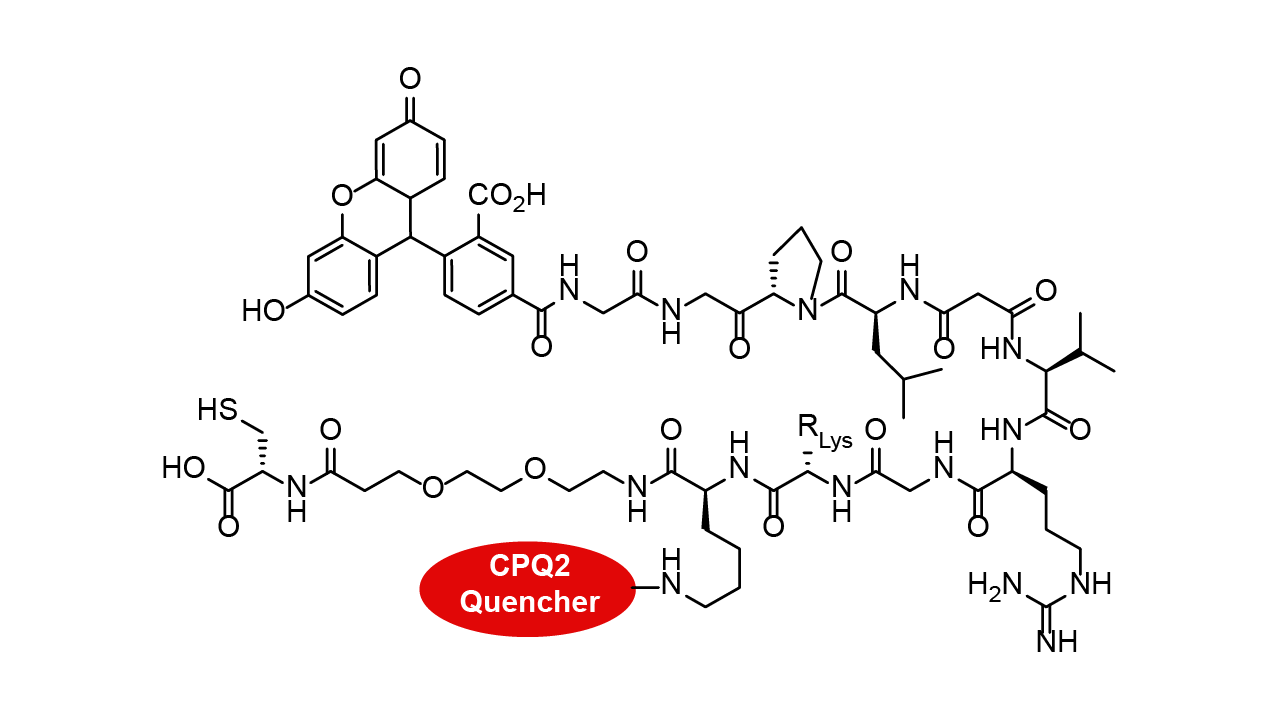
Kwon, Ester J., Jaideep S. Dudani, and Sangeeta N. Bhatia. Nature Biomedical Engineering 1 (2017): 0054.

F.-H. Guo, et al. Journal of Nuclear and Radiochemistry, 34(3), 157-165 (2012)

Mebrahtu, Efrem, et al. Nuclear Medicine and Biology 40.2 (2013): 190-196.
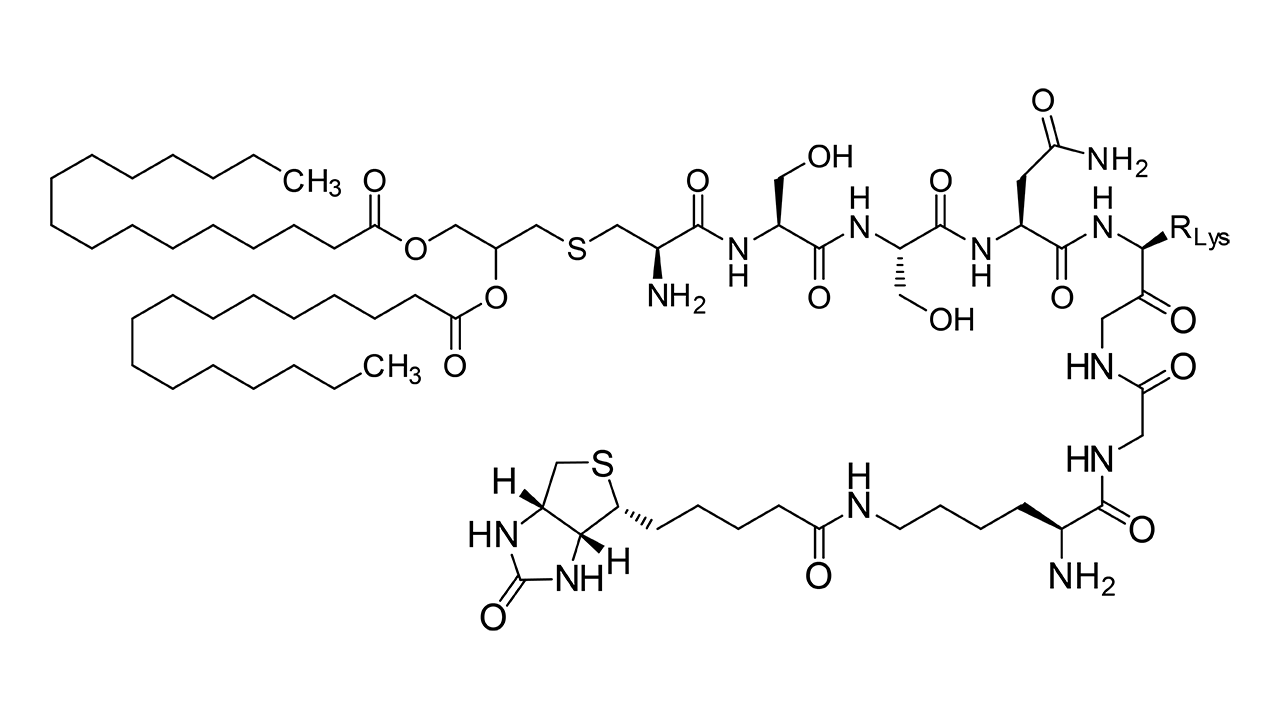
Noland, Cameron L., et al. Proceedings of the National Academy of Sciences 114.30 (2017): E6044-E6053.

Leclair, E., Liggins, R.T., Peckett, A.J., Teich, T., Coy, D.H., Vranic, M. and Riddell, M.C. Diabetologia (2016): 1-8.

Dvir, Hay, et al. Proceedings of the National Academy of Sciences 109.18 (2012): 6916-6921.

Leone, Marilisa, et al. Chemical Biology & Drug Design 77.1 (2011): 12-19.

Marquez, B. V., et al. J Nucl Med 2014, 55 (6), 1029-34.
Chatterjee, Samit, et al. Biochemical and Biophysical Research Communications 483.1 (2017): 258-263.
Kwon, Ester J., Jaideep S. Dudani, and Sangeeta N. Bhatia. Nature Biomedical Engineering 1 (2017): 0054.
F.-H. Guo, et al. Journal of Nuclear and Radiochemistry, 34(3), 157-165 (2012)
Mebrahtu, Efrem, et al. Nuclear Medicine and Biology 40.2 (2013): 190-196.
Noland, Cameron L., et al. Proceedings of the National Academy of Sciences 114.30 (2017): E6044-E6053.
Leclair, E., Liggins, R.T., Peckett, A.J., Teich, T., Coy, D.H., Vranic, M. and Riddell, M.C. Diabetologia (2016): 1-8.
Dvir, Hay, et al. Proceedings of the National Academy of Sciences 109.18 (2012): 6916-6921.
Leone, Marilisa, et al. Chemical Biology & Drug Design 77.1 (2011): 12-19.
Marquez, B. V., et al. J Nucl Med 2014, 55 (6), 1029-34.
Chatterjee, Samit, et al. Biochemical and Biophysical Research Communications 483.1 (2017): 258-263.
Kwon, Ester J., Jaideep S. Dudani, and Sangeeta N. Bhatia. Nature Biomedical Engineering 1 (2017): 0054.
F.-H. Guo, et al. Journal of Nuclear and Radiochemistry, 34(3), 157-165 (2012)
Mebrahtu, Efrem, et al. Nuclear Medicine and Biology 40.2 (2013): 190-196.
Noland, Cameron L., et al. Proceedings of the National Academy of Sciences 114.30 (2017): E6044-E6053.
Leclair, E., Liggins, R.T., Peckett, A.J., Teich, T., Coy, D.H., Vranic, M. and Riddell, M.C. Diabetologia (2016): 1-8.
Dvir, Hay, et al. Proceedings of the National Academy of Sciences 109.18 (2012): 6916-6921.
Leone, Marilisa, et al. Chemical Biology & Drug Design 77.1 (2011): 12-19.
Marquez, B. V., et al. J Nucl Med 2014, 55 (6), 1029-34.
Technical Package for Custom Peptides
Every peptide (including crude) is shipped with an analytical data package that consists of (1) a certificate of analysis, (2) RP-HPLC (reverse-phase high-performance liquid chromatography), (3) ESI-MS (electrospray ionization mass spectrum, and (4) a solubility test data. We perform the solubility tests to find the optimal solvent conditions to solubilize your peptide so you can save time and material. The test utilizes solvents that are applicable for your experiment (water is the first choice) and can be customized according to your specifications. Additional analytical tests are available at your request and include Amino Acid Analysis (AAA), peptide content, and moisture content (Karl Fisher).

Got questions about our custom peptide synthesis services?
Latest News & Insights on Custom Peptides
Explore CPC Scientific’s recent articles, resources, and expert views on custom peptide synthesis

At CPC Scientific, we know that peptide programs rarely move in a straight line. That’s why our FTE services are designed to provide dedicated scientific support, supplementing your team with our CRDMO manufacturing expertise and facilities...

We recently caught up with Chief Solutions Officer Baosheng Liu, PhD to discuss how CPC Scientific is shaping the future of peptide and oligo manufacturing, and how the CDMO industry is evolving in the next decade...

A hot trend in the diagnostic field is the development of noninvasive peptide biosensors for real-time disease detection. The use of engineered peptide substrates to detect protease activity in human breath is a novel diagnostic strategy...
At CPC Scientific, we know that peptide programs rarely move in a straight line. That’s why our FTE services are designed to provide dedicated scientific support, supplementing your team with our CRDMO manufacturing expertise and facilities...
We recently caught up with Chief Solutions Officer Baosheng Liu, PhD to discuss how CPC Scientific is shaping the future of peptide and oligo manufacturing, and how the CDMO industry is evolving in the next decade...
A hot trend in the diagnostic field is the development of noninvasive peptide biosensors for real-time disease detection. The use of engineered peptide substrates to detect protease activity in human breath is a novel diagnostic strategy...
What Clients Say About Our Custom Peptide Synthesis
CPC Scientific has been an invaluable CRDMO partner in our research. One representative, in particular, has consistently gone above and beyond to ensure our complex peptide orders were delivered on time, ensuring we met key deadlines for PK and efficacy studies. Their exceptional customer service, responsiveness, and industry expertise have made a significant impact on our work. Even as a relatively new client, we’ve felt fully supported. Thank you, CPC Scientific, for your support of academic drug discovery research through outstanding service!
Faculty Member, Drug Discovery Researcher, and Director of R&D, U.S.-Based Academic Institution
CPC Scientific has been an essential CDMO partner throughout our peptide development journey, consistently delivering reliable, high-quality peptides. As a small Brazilian biotech focused on specialized disease areas, we value their fairness, transparency, and seamless collaboration. Their support plays a vital role in helping us bring our innovations to life.
Founder & CEO, Mid-Sized Brazilian Biotech Company
CPC Scientific has been our trusted provider of high-quality APIs for several years, consistently delivering exceptional reliability, technical expertise, and quality. Their contribution was instrumental in advancing a life-saving therapy. As a European biotech company, we rely on CPC Scientific’s expertise and dedication to support our long-term success.
CEO, Boutique European Biotechnology Company