
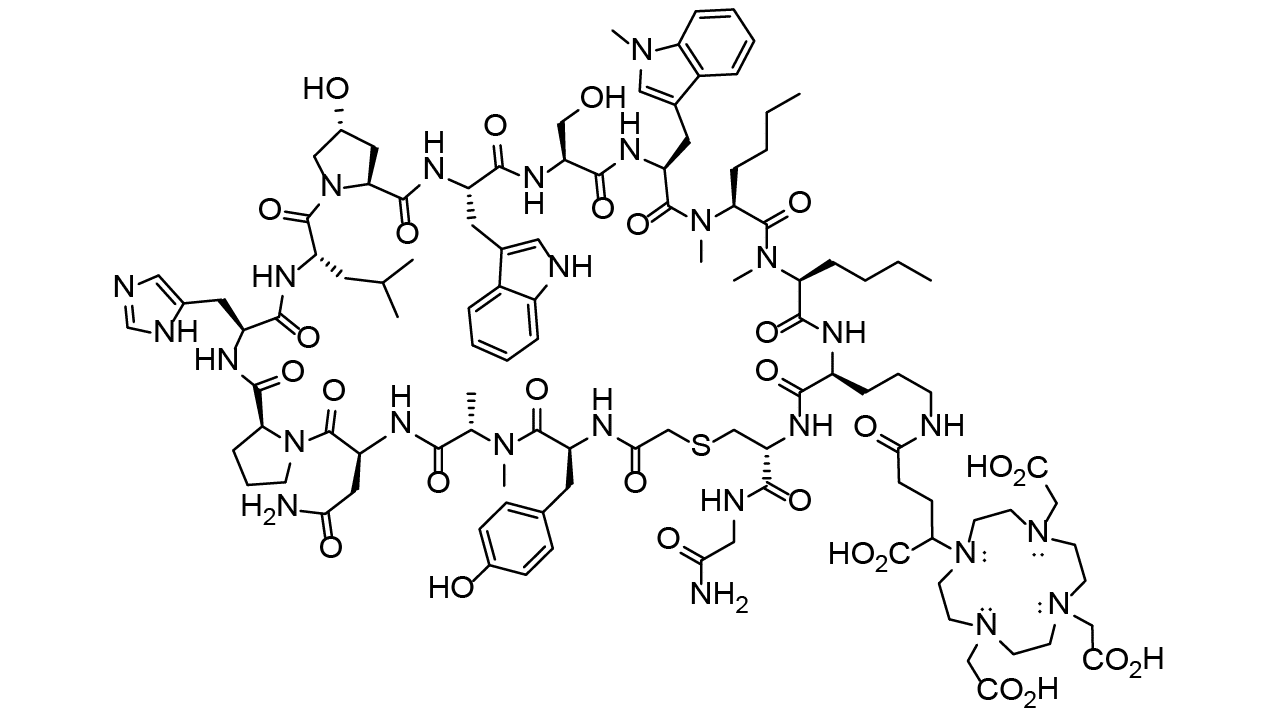
The PD-L1-binding peptide, WL12 (sequence shown in Figure 1A), was custom synthesized by CPC Scientific (Sunnyvale, California) with >95% purity.
Abstract
Expression of programmed cell death ligand 1 (PD-L1) within tumors is an important biomarker for guiding immune checkpoint therapies; however, immunohistochemistry-based methods of detection fail to provide a comprehensive picture of PD-L1 levels in an entire patient. To facilitate quantification of PD-L1 in the whole body, we developed a peptide-based, high-affinity PD-L1 imaging agent labeled with [18F]fluoride for positron emission tomography (PET) imaging. The parent peptide, WL12, and the nonradioactive analog of the radiotracer, 19FPy-WL12, inhibit PD-1/PD-L1 interaction at low nanomolar concentrations (half maximal inhibitory concentration [IC50], 26-32 nM). The radiotracer, [18F]FPy-WL12, was prepared by conjugating 2,3,5,6-tetrafluorophenyl 6-[18F]fluoronicotinate ([18F]FPy-TFP) to WL12 and assessed for specificity in vitro in 6 cancer cell lines with varying PD-L1 expression. The uptake of the radiotracer reflected the PD-L1 expression assessed by flow cytometry. Next, we performed the in vivo evaluation of [18F]FPy-WL12 in mice bearing cancer xenografts by PET imaging, ex vivo biodistribution, and blocking studies. In vivo data demonstrated a PD-L1-specific uptake of [18F]FPy-WL12 in tumors that is reduced in mice receiving a blocking dose. The majority of [18F]FPy-WL12 radioactivity was localized in the tumors, liver, and kidneys indicating the need for optimization of the labeling strategy to improve the in vivo pharmacokinetics of the radiotracer.
SOCIAL MEDIA
Connect with us and stay updated by following our social media channels.
Latest Briefings from our Knowledge Center
Press Releases, Industry News, Articles, and Technical Content

From Nusinersen to Inclisiran, oligonucleotide APIs are rapidly reshaping modern drug development. Explore the role of oligonucleotide CDMOs in enabling analytical innovation and scalable, compliant manufacturing across the RNA therapeutic frontier.

Peptide and oligonucleotide APIs are driving a new generation of pharmaceutical drug development. Learn more about the API manufacturing process and why it matters to partner with a specialized peptide and oligonucleotide CDMO.
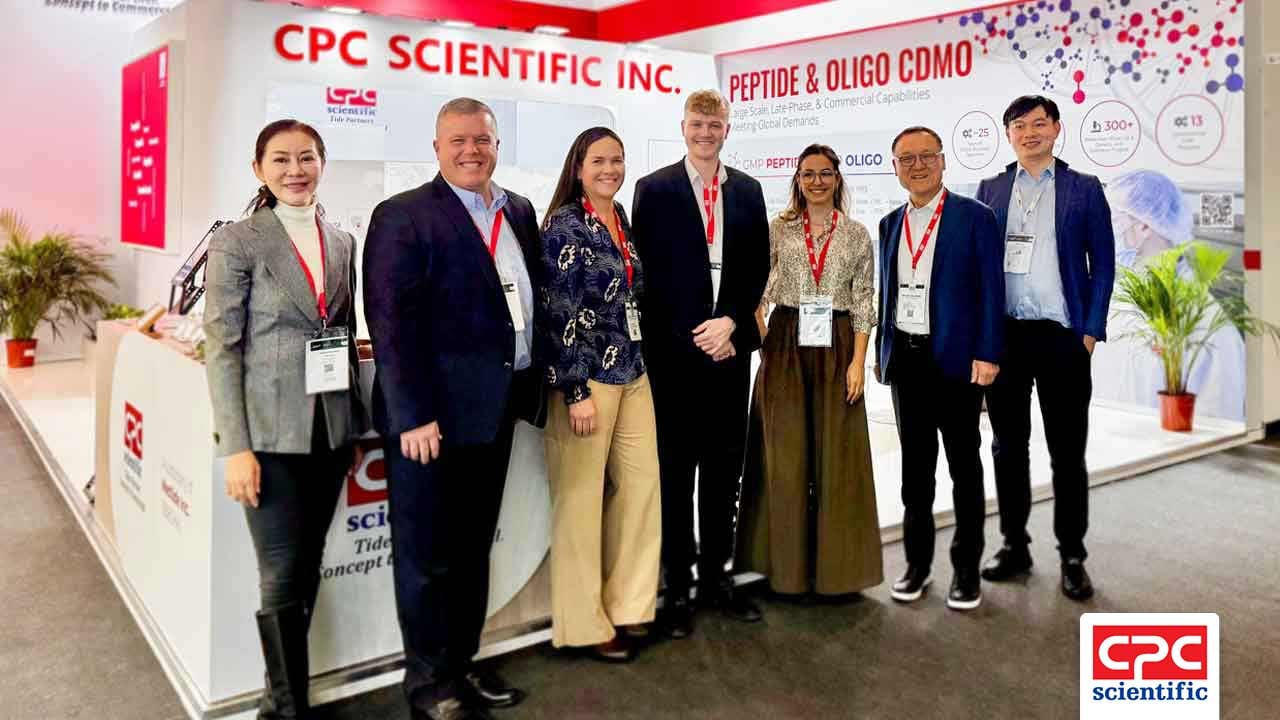
CPC Scientific is thrilled to return to CPHI Frankfurt 2025! Explore a tour of our booth as we recap key moments from Day 1 of CPHI Frankfurt, where we're highlighting our position as a global pioneer in peptide and oligonucleotide CDMO services...
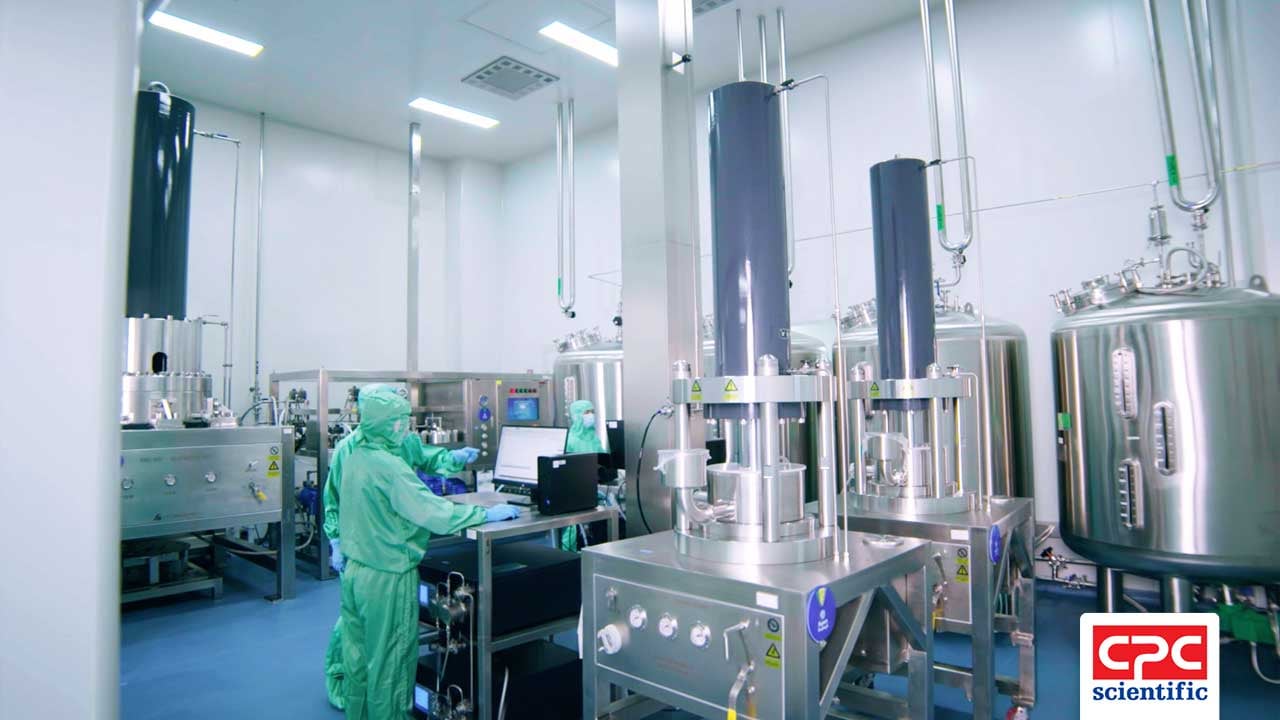
In today’s biotech landscape, quality is essential. For therapeutics based on peptides or oligonucleotides, many of which treat complex or life-threatening conditions, GMP compliance is a foundational element of regulatory approval and patient trust.

At CPC Scientific, we know that peptide programs rarely move in a straight line. That’s why our FTE services are designed to provide dedicated scientific support, supplementing your team with our CRDMO manufacturing expertise and facilities...
Selecting the right partner can directly impact both speed-to-market and long-term commercial success, particularly for peptide and oligo programs. A CDMO addresses this by providing support across the drug development lifecycle.

At CPHI Frankfurt 2025, CPC Scientific will spotlight its position as a global leader in peptide and oligonucleotide CRDMO solutions. As the company’s largest event of the year, the showcase will emphasize innovation, regulatory excellence, and a proven track record of supporting partners worldwide. Visitors can connect with CPC Scientific’s leadership and scientific team at Booth 12.0F29 to explore new opportunities and collaborations.

Peptide–oligo conjugates are innovative hybrid molecules uniting the targeting precision of peptides with the gene-modulating power of oligos. However, harnessing their potential requires overcoming significant technical barriers...

CPC Scientific is back at Boulder Peptide Symposium 2025 as a Gold Sponsor! Discover key moments from the symposium and see how our team is pioneering innovations in large-scale synthesis as a leading peptide manufacturer...