
"Internally quenched peptides of the sequences of IFFDTWDNE, TWDNEAYVH, EAYVHDAPV, and HDAPVRSLN, corresponding to amino acids 103 to 111, 107 to 115, 111 to 119, and 115 to 123 of the reference human pro–IL-1b sequence (UniProt: P01584), were labeled on the N terminus with Mca and on the C terminus with Lys-Dnp (CPC Scientific)."
Abstract
Interleukin-1β (IL-1β) is a key proinflammatory cytokine that drives antimicrobial immune responses. IL-1β is aberrantly activated in autoimmune diseases, and IL-1β inhibitors are used as therapeutic agents to treat patients with certain autoimmune disorders. Review of postmarketing surveillance of patients receiving IL-1β inhibitors found a disproportionate reporting of invasive infections by group A Streptococcus (GAS). IL-1β inhibition increased mouse susceptibility to GAS infection, but IL-1β was produced independent of canonical inflammasomes. Newly synthesized IL-1β has an amino-terminal prodomain that blocks signaling activity, which is usually proteolytically removed by caspase-1, a protease activated within the inflammasome structure. In place of host caspases, the secreted GAS cysteine protease SpeB generated mature IL-1β. During invasive infection, GAS isolates may acquire pathoadaptive mutations eliminating SpeB expression to evade detection by IL-1β. Pharmacological IL-1β inhibition alleviates this selective pressure, allowing invasive infection by nonpathoadapted GAS. Thus, IL-1β is a sensor that directly detects pathogen-associated proteolysis through an independent pathway operating in parallel with host inflammasomes. Because IL-1β function is maintained across species, yet cleavage by caspases does not appear to be, detection of microbial proteases may represent an ancestral system of innate immune regulation.
SOCIAL MEDIA
Connect with us and stay updated by following our social media channels.
Latest Briefings from our Knowledge Center
Press Releases, Industry News, Articles, and Technical Content

Peptide and oligonucleotide APIs are driving a new generation of pharmaceutical drug development. Learn more about the API manufacturing process and why it matters to partner with a specialized peptide and oligonucleotide CDMO.
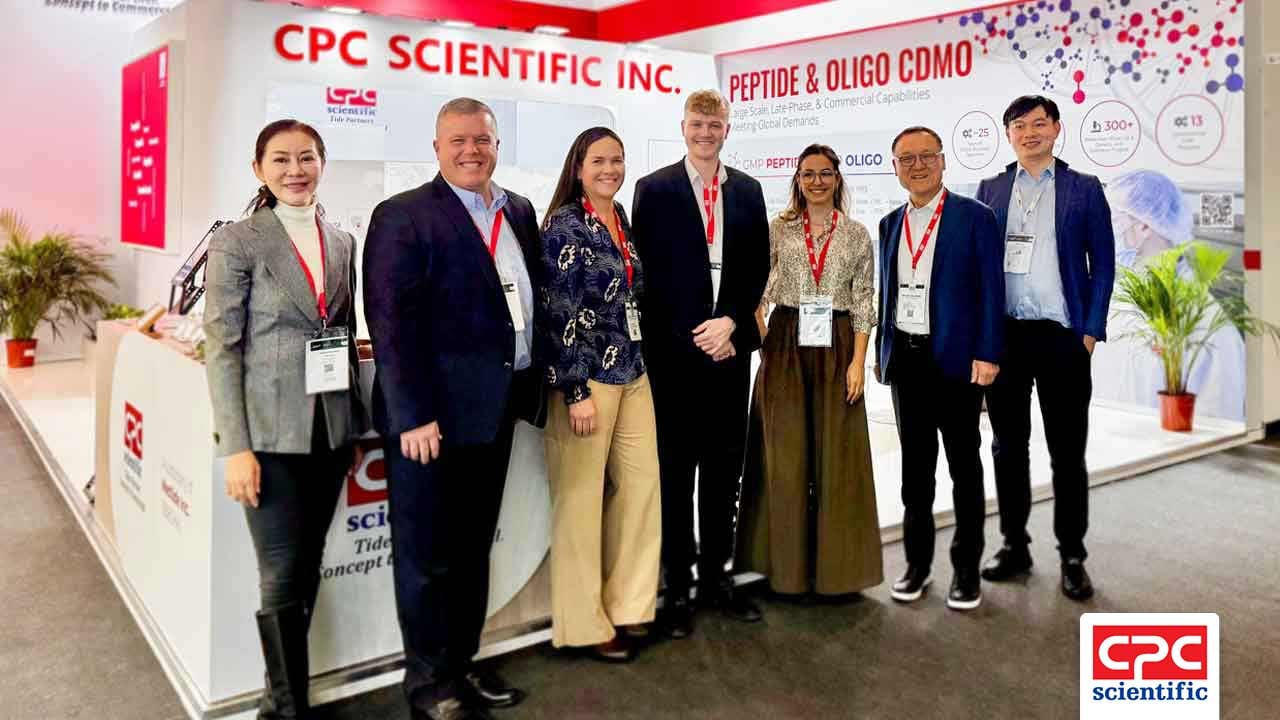
CPC Scientific is thrilled to return to CPHI Frankfurt 2025! Explore a tour of our booth as we recap key moments from Day 1 of CPHI Frankfurt, where we're highlighting our position as a global pioneer in peptide and oligonucleotide CDMO services...
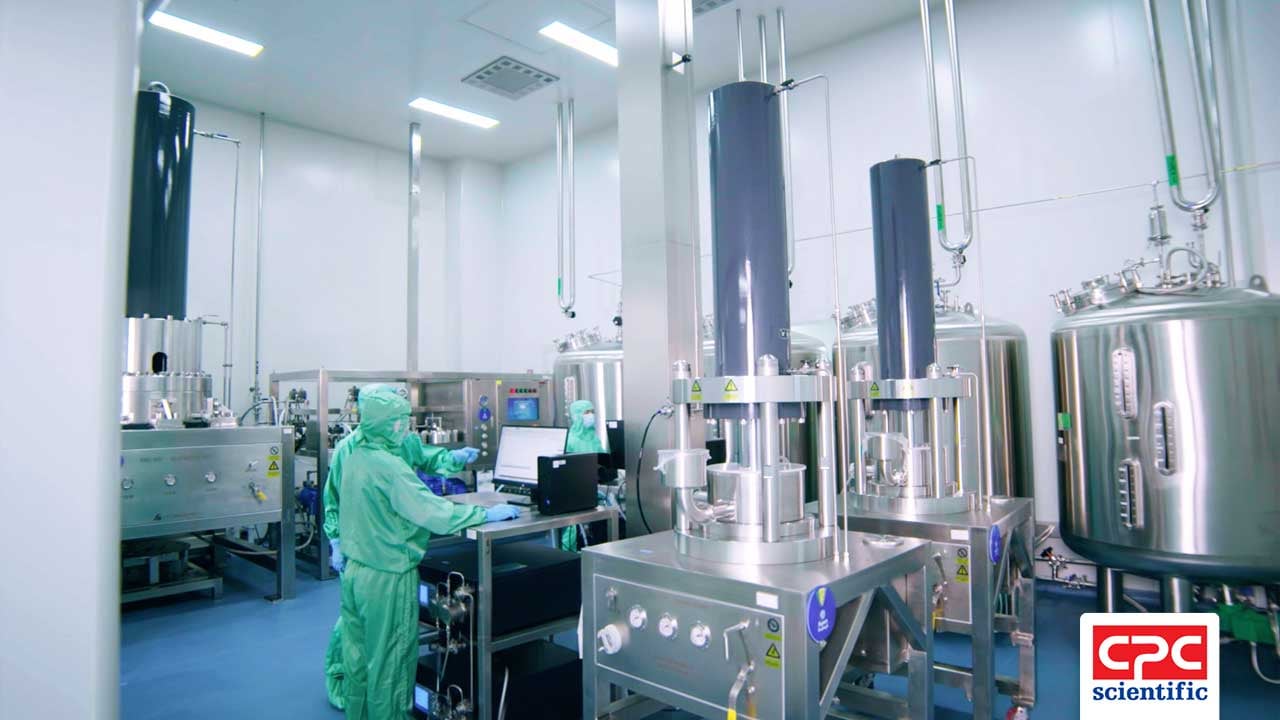
In today’s biotech landscape, quality is essential. For therapeutics based on peptides or oligonucleotides, many of which treat complex or life-threatening conditions, GMP compliance is a foundational element of regulatory approval and patient trust.

At CPC Scientific, we know that peptide programs rarely move in a straight line. That’s why our FTE services are designed to provide dedicated scientific support, supplementing your team with our CRDMO manufacturing expertise and facilities...
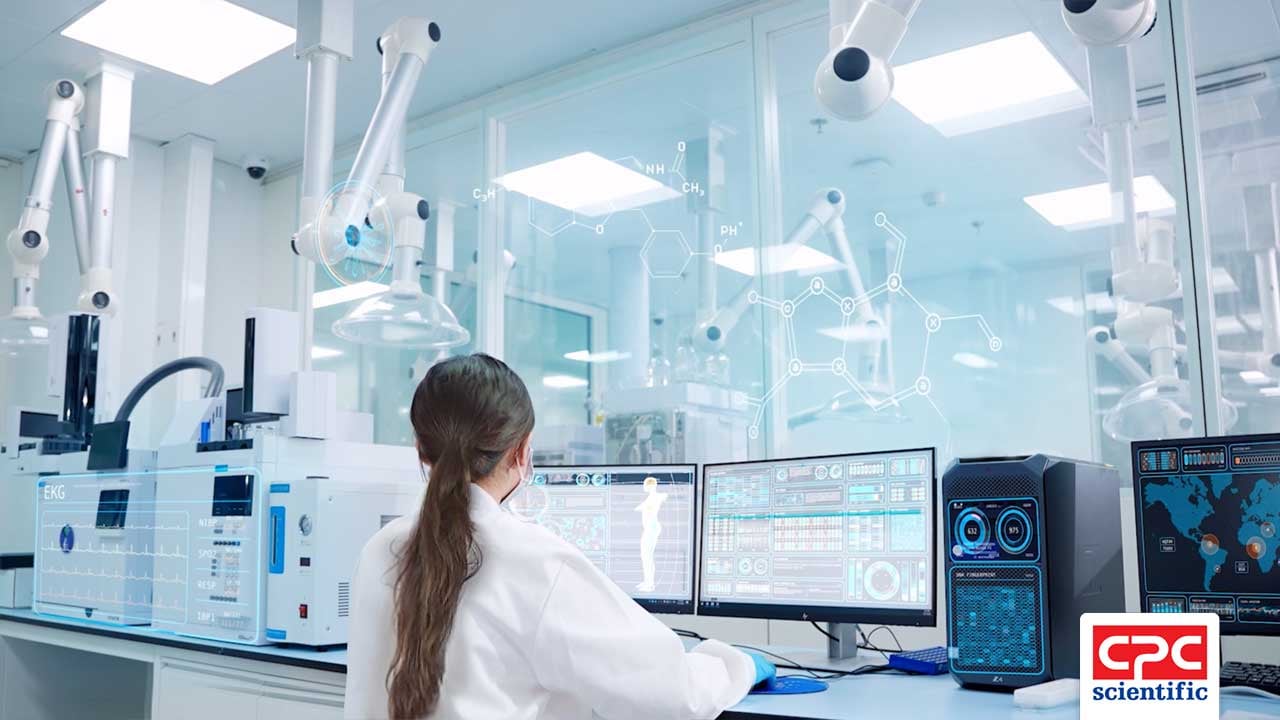
Selecting the right partner can directly impact both speed-to-market and long-term commercial success, particularly for peptide and oligo programs. A CDMO addresses this by providing support across the drug development lifecycle.

At CPHI Frankfurt 2025, CPC Scientific will spotlight its position as a global leader in peptide and oligonucleotide CRDMO solutions. As the company’s largest event of the year, the showcase will emphasize innovation, regulatory excellence, and a proven track record of supporting partners worldwide. Visitors can connect with CPC Scientific’s leadership and scientific team at Booth 12.0F29 to explore new opportunities and collaborations.

Peptide–oligo conjugates are innovative hybrid molecules uniting the targeting precision of peptides with the gene-modulating power of oligos. However, harnessing their potential requires overcoming significant technical barriers...

CPC Scientific is back at Boulder Peptide Symposium 2025 as a Gold Sponsor! Discover key moments from the symposium and see how our team is pioneering innovations in large-scale synthesis as a leading peptide manufacturer...

We recently caught up with Chief Solutions Officer Baosheng Liu, PhD to discuss how CPC Scientific is shaping the future of peptide and oligo manufacturing, and how the CDMO industry is evolving in the next decade...