
Therapeutic peptides and their Cy7-labeled analogs (Table S1 and Figure S14) were synthesized by CPC Scientific (CA, U.S.A.) via standard Fmoc-based SPPS.
Abstract
Conditional therapeutics that rely on disease microenvironment-specific triggers for activation are a promising strategy to improve therapeutic cargos. Among the investigated triggers, protease activity is used most often because of its dysregulation in several diseases. How to optimally fine-tune protease activation for different therapeutic cargos remains a challenge. Here, we designed nanobody-targeted conditional antimicrobial therapeutics to deliver a model therapeutic peptide and protein to the site of bacterial infection. We explored several parameters that influence proteolytic activation. We report the use of targeting nanobodies to enhance the activation of therapeutics that are otherwise activated inefficiently despite extensive optimization of the cleavable linker. Specifically, the pairing of Ly6G/C or ADAM10-targeting nanobodies with ADAM10-cleavable linkers improved activation via proximity-enabled reactivity. This study demonstrates a distinct role of active targeting in conditional therapeutic activation. More broadly, this optimization framework provides a guideline for the development of conditional therapeutics to treat various diseases in which protease activity is dysregulated.
SOCIAL MEDIA
Connect with us and stay updated by following our social media channels.
Latest Briefings from our Knowledge Center
Press Releases, Industry News, Articles, and Technical Content

Lin, Wilson, Eduardo Aluicio-Sarduy, Hailey A. Houson, Todd E. Barnhart, Volkan Tekin, Justin J. Jeffery, Ashley M. Weichmann, Kendall E. Barrett, Suzanne E. Lapi, and Jonathan W. Engle. Nuclear Medicine and Biology) 118 (2023): 108329.
Lyophilized NOTA-NT-20.3 (Ac-Lys(NOTA)-Pro-NMeArg-Arg-Pro-Tyr-Tle-Leu, 1383.6 g/mol, “NT”, CPC Scientific) was diluted to 1 mg/mL in ultrapure water (Milli-Q, >18.2 MΩ-cm) and used without further purification.
Development of a selective, sensitive and robust oxyntomodulin dual monoclonal antibody immunoassay.
Umberger, T.S., Ming, W., Cox, J.M., Konrad, R.J. and Siegel, R.W. Bioanalysis 14, no. 18 (2022): 1229-1239.
- Lilly Research Laboratories, Eli Lilly & Company, Indianapolis, IN46285, USA
Human K2 EDTA and P800 plasma (500 μl) was spiked with proglucagon 33–61, 35–61 and 36–61 stable-isotope-labeled internal standard peptides (CPC Scientific, custom order) and diluted with I buffer (25 mmol/l Tris-HCl, 25 mmol/l HEPES, 300 mmol/l NaCl, 0.1% (v/v) octyl β-D-glucopyranoside, pH 7.5).
Line, J.E.; Seal, B.S.; Garrish, J.K. Appl. Microbiol. 2022, 2, 688–700.
Peptides were synthesized using standard solid-phase(Fmoc) chemistry with a peptide synthesizer (CPC Scientific Inc., Sunnyvale, CA 94089,USA, C12K-2β12 [..]
Kirk, N.S., Chen, Q., Wu, Y.G., Asante, A.L., Hu, H., Espinosa, J.F., Martínez-Olid, F., Margetts, M.B., Mohammed, F.A., Kiselyov, V.V. and Barrett, D.G. Nature Communications 13, no. 1 (2022): 5695.
- Eli Lilly and Company, Lilly Corporate Center, Indianapolis, IN 46285, USA.
Peptides were synthesized under contract by CPC Scientific, except for the N-terminally acetylated version of IM172N22 and the Glu3Arg, Glu3Ala, Glu4Arg, Glu4Ala, Glu5Ala, Glu5Arg, Trp6Ala, Gln8Ala, Ile9Ala, Glu10Ala, Glu10Arg and Tyr14Ala mutants of IM172N22
Coskun, T., Urva, S., Roell, W.C., Qu, H., Loghin, C., Moyers, J.S., O’Farrell, L.S., Briere, D.A., Sloop, K.W., Thomas, M.K. and Pirro, V. Cell Metabolism 34, no. 9 (2022): 1234-1247.
- Eli Lilly and Company, Lilly Corporate Center, Indianapolis, IN 46285, USA
Homologous and heterologous competition experiments were performed with non-radioactive peptide analogues[127I]-Tyr1-GIP(1-42) and [127]-Tyr10-GIP(1-42) to ensure quantification of the high-affinity binding site of the GIPR. Peptide analogues were generated using synthetic [127I]-Tyr amino acid building blocks (CPC Scientific).
Cecil, D.L., Curtis, B., Gad, E., Gormley, M., Timms, A.E., Corulli, L., Bos, R., Damle, R.N., Sepulveda, M.A. and Disis, M.L. Scientific Reports 12, no. 1 (2022): 13618.
- Cancer Vaccine Institute, University of Washington, 850 Republican Street, Brotman Bld., 2nd Floor, Box 358050, Seattle, WA 98195-8050, USA.
- Janssen Research and Development LLC, Spring House, PA, USA.
- Janssen Vaccines and Prevention, Leiden, The Netherlands.
The peptides were constructed and purified by high-performance liquid chromatography (> 90% pure; CPC Scientific).
Zonari, A., Brace, L.E., Alencar-Silva, T., Porto, W.F., Foyt, D., Guiang, M., Cruz, E.A.O., Franco, O.L., Oliveira, C.R., Boroni, M. and Carvalho, J.L. Toxicology Reports 9 (2022): 1632-1638.
Peptide 14 (ETAKHWLKGI) (Sup. Fig. 1) was purchased from CPC Scientific Inc. (USA), which synthesized the peptide by solid phase (Fmoc) on a Rink amide resin, with > 95% purity, in the form of acetate salt.
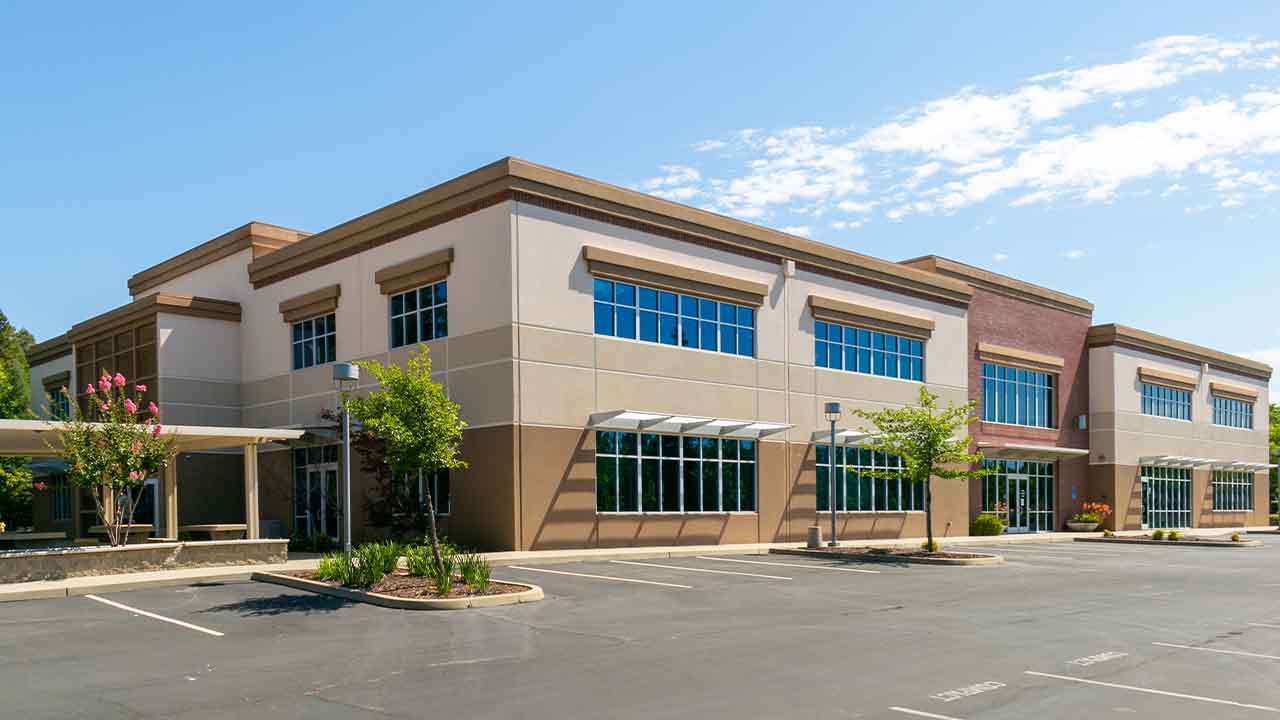
CPC Scientific Inc., a leading global peptide CRDMO (Contract Research, Development, and Manufacturing Organization) has invested in a new peptide API (Active Pharmaceutical Ingredient) manufacturing site, bringing many new jobs to Rocklin, California. The 41,000 sq ft facility located at 3880 Atherton Rd, Rocklin, CA 95765 will be utilized to manufacture clinical to commercial grade peptide products for increased manufacturing capacity and will diversify CPC Scientific’s supply chain.
CPC Scientific is entering an exciting period of growth and innovation for peptide and oligonucleotide therapeutic development and manufacturing, and we will continue to provide therapeutic APIs to pharmaceutical and biotech companies around the world. We are very pleased to partner with the City of Rocklin, California to bring manufacturing and Life-Science jobs to local American workers,” said Shawn Lee, PhD, CEO.