
Highlights from NextGen Biomed 2025
March 17, 2025
CPC Scientific had an excellent time returning to NextGen Biomed by Oxford Global 2025, held March 12–14 in London, UK.
We were proud to attend as a Silver Sponsor, joining global experts across the peptide and oligonucleotide therapeutic community in exploring how sustainability and innovation are shaping the next generation of TIDES manufacturing.
Presentation on Sustainable TIDES Manufacturing
On March 13, Joseph Denby (Sr. Manager of Business Development – Europe) delivered a cutting-edge presentation titled “Green Approaches to Peptide API and Peptide–Oligonucleotide Conjugate (POC) Manufacturing.”
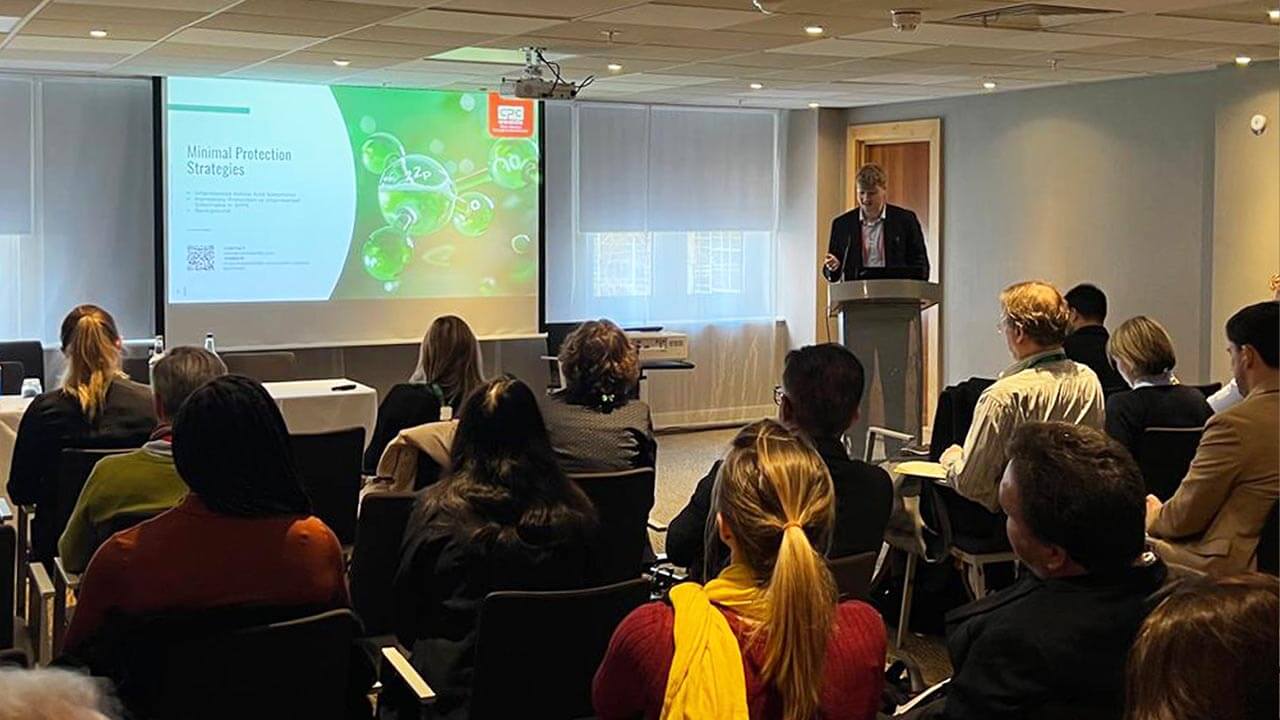
Joseph highlighted the critical role of green chemistry in transforming sustainable production of peptide APIs and peptide–oligonucleotide conjugates (POCs).
The talk showcased innovative strategies for minimizing protecting groups and adopting eco-friendly solvents, leading to reduced generation of hazardous waste and improved atom economy across solid-phase peptide synthesis (SPPS) and conjugation.
Case Study: Green Synthesis of Peptide API Impurity
A featured case study in the presentation demonstrated how our team synthesized a Goserelin peptide API impurity, using a convergent fragment-based method. This approach utilized safer solvents and eliminated the need for traditional TFA and diethyl ether cleavage, maintaining purity and yield while lowering environmental impact and material costs.
Our presentation at NextGen Biomed reflects CPC Scientific’s innovation and expertise in applying green chemistry principles that help clients meet sustainable peptide and oligonucleotide manufacturing goals, without compromising quality.
Interested in learning more? Dive into the full details with our white papers below:

Looking Ahead to the Future of TIDES Manufacturing
NextGen Biomed 2025 brought together leaders driving greener and more sustainable drug development. We were inspired by the shared focus on sustainable process optimization, regulatory readiness, and the expanding role of CDMOs in enabling compliant and environmentally conscious manufacturing.
As environmental footprint becomes a defining factor in modern drug development, our team continues to drive innovation in GMP peptide and oligonucleotide manufacturing through greener, more cost-efficient practices that can scale. We believe the future of modern chemistry lies in delivering life-changing medicines through methods that are not only efficient but also sustainable.
We’re grateful to everyone who connected with us in London, and we’re looking forward to continuing the conversations and collaborations that have already begun!
Ready to explore sustainable, efficient manufacturing that can scale? Reach out to our team today to discuss how CPC Scientific’s CDMO expertise can meet your peptide and oligonucleotide manufacturing needs.
Latest News & Resources

Gain insights from Joseph Denby's rapid-fire Q&A spotlight at NextGen Biomed 2025, where he explores the landscape of peptide and oligo APIs, as well as the role of green chemistry in manufacturing.
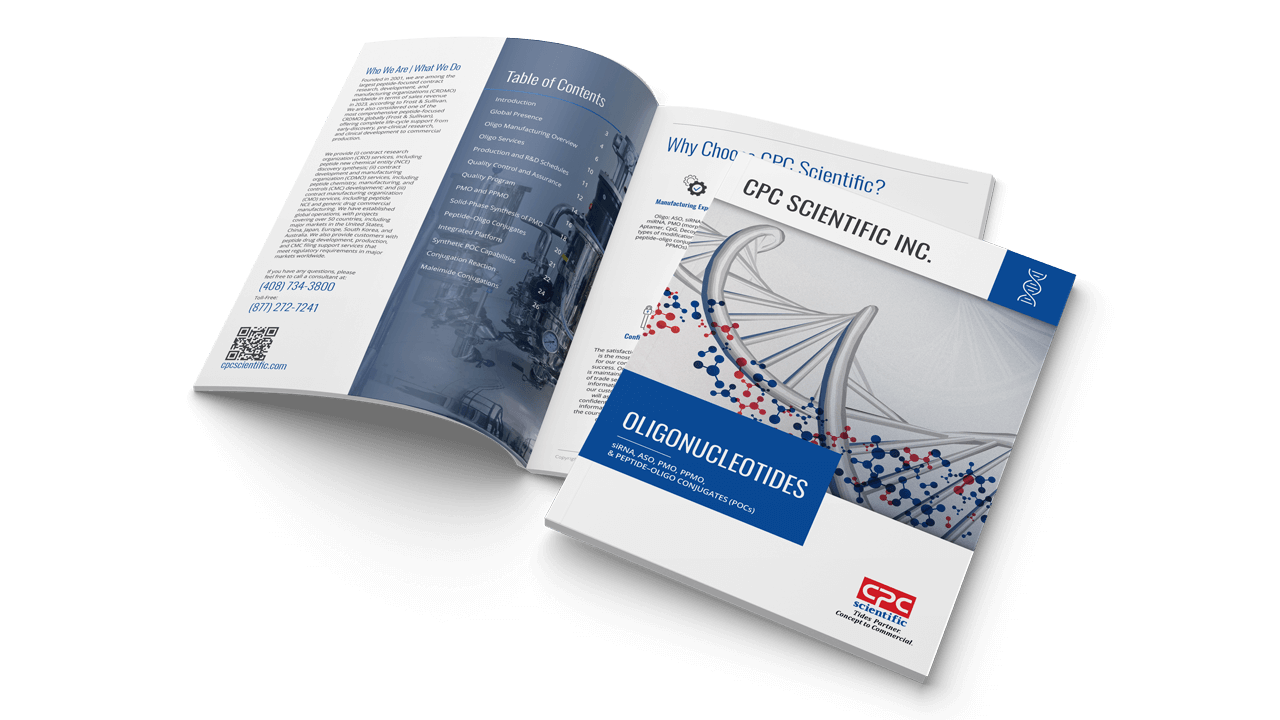
CPC Scientific provides both research-grade and clinical-grade oligo manufacturing services to our clients. With our strong commitment to innovation, we provide full lifecycle services, supporting RNA-based therapeutics from early discovery through clinical development and into commercial production...
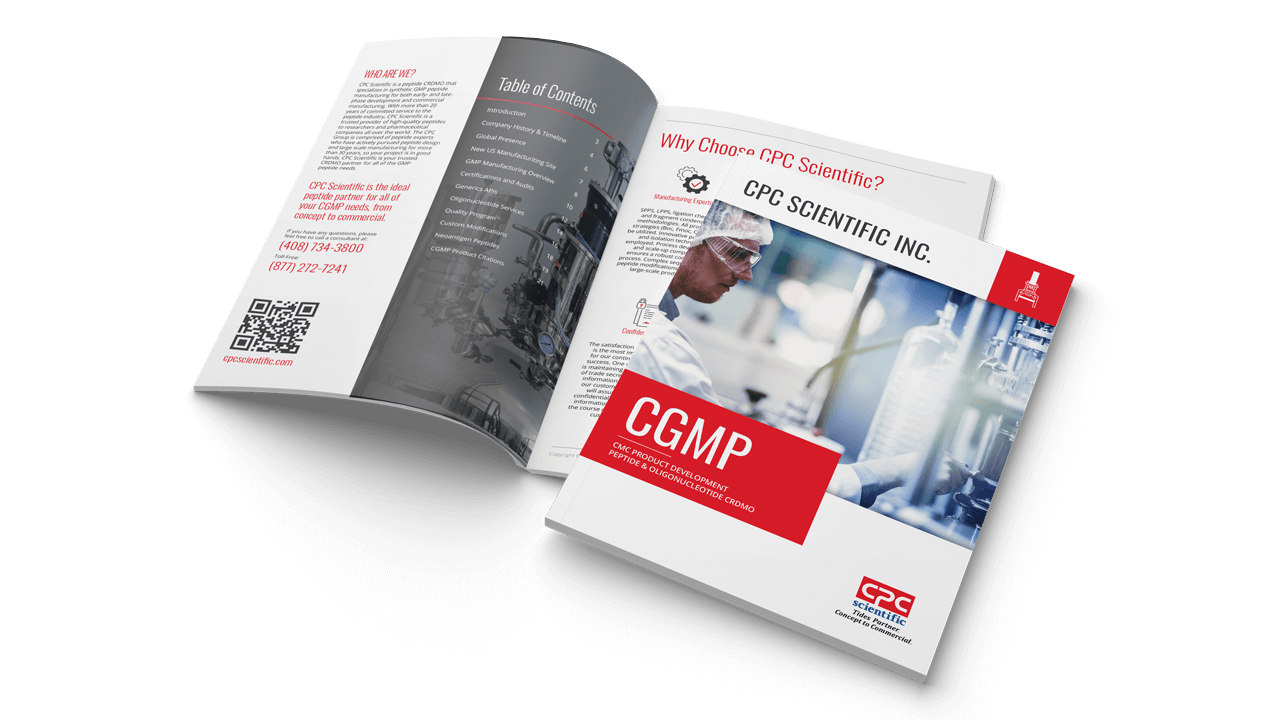
CPC Scientific is a peptide and oligo CDMO specializing in large-scale GMP peptide manufacturing for late-phase development and commercial manufacturing. With over 20 years of expertise, we're a trusted peptide manufacturer working with pharmaceutical companies and researchers all over the world...

Sheri Ambriz, MBA took the stage at TIDES USA 2025 in San Diego, CA, to share insights on green approaches to peptide and peptide–oligonucleotide conjugate manufacturing.

Watch Tim Nieters, MBA's presentation at TIDES USA 2024, where he covers process development & GMP manufacturing of DOTAGA-labeled peptide & POC-based products...
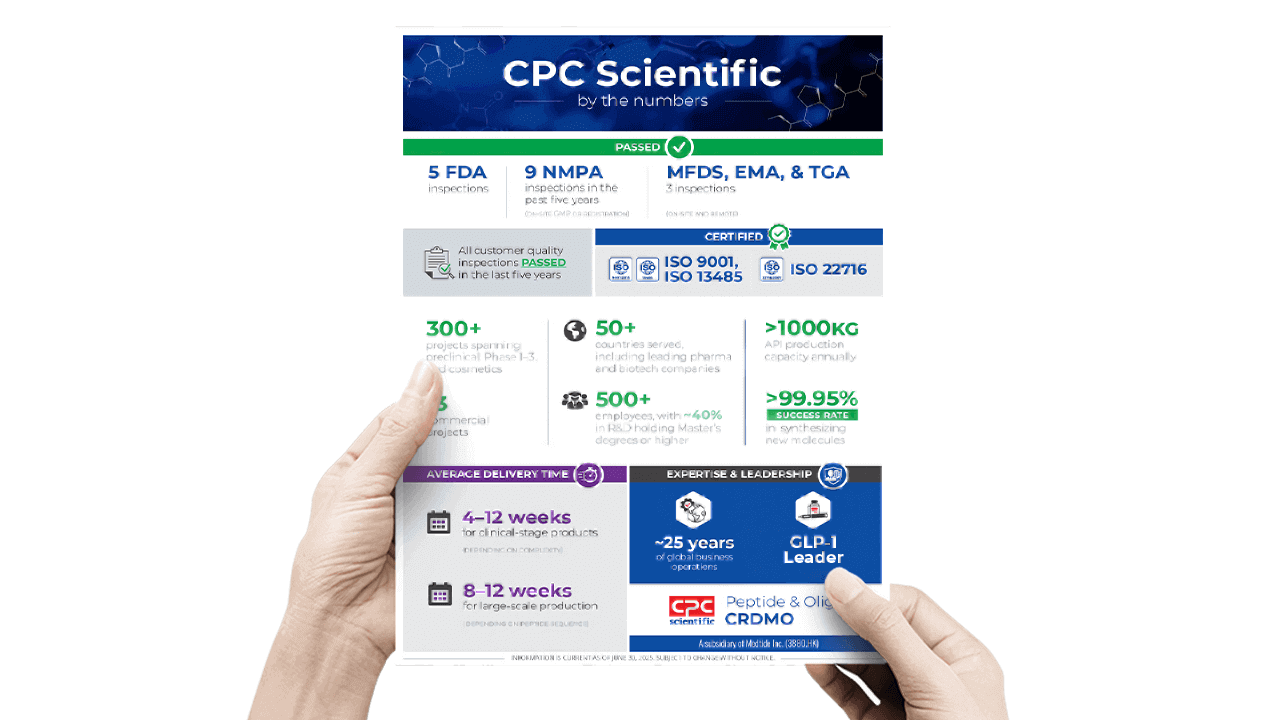
Discover how CPC Scientific has earned the trust of top pharma and biotech companies across 50+ countries. See the numbers behind our GMP regulatory record, global project portfolio, clinical and commercial delivery timelines, and more.
Sheri Ambriz, MBA took the stage at TIDES USA 2025 in San Diego, CA, to share insights on green approaches to peptide and peptide–oligonucleotide conjugate manufacturing.
Gain insights from Joseph Denby's rapid-fire Q&A spotlight at NextGen Biomed 2025, where he explores the landscape of peptide and oligo APIs, as well as the role of green chemistry in manufacturing.

We recently caught up with Chief Solutions Officer Baosheng Liu, PhD to discuss how CPC Scientific is shaping the future of peptide and oligo manufacturing, and how the CDMO industry is evolving in the next decade...
CPC Scientific provides both research-grade and clinical-grade oligo manufacturing services to our clients. With our strong commitment to innovation, we provide full lifecycle services, supporting RNA-based therapeutics from early discovery through clinical development and into commercial production...
CPC Scientific is a peptide and oligo CDMO specializing in large-scale GMP peptide manufacturing for late-phase development and commercial manufacturing. With over 20 years of expertise, we're a trusted peptide manufacturer working with pharmaceutical companies and researchers all over the world...