
Plates were incubated for 210 min at 25 °C followed by quenching with 25 uL water with 2% formic acid containing 600 nM of the internal standard with the sequence KTEEISEVN[L-U7]-OH (CPC Scientific).
Abstract
As a label-free technology, mass spectrometry (MS) enables assays to be generated that monitor the conversion of substrates with native sequences to products without the requirement for substrate modifications or indirect detection methods. Although traditional liquid chromatography (LC)–MS methods are relatively slow for a high-throughput screening (HTS) paradigm, with cycle times typically ≥60 s per sample, the Agilent RapidFire High-Throughput Mass Spectrometry (HTMS) System, with a cycle time of 5–7 s per sample, enables rapid analysis of compound numbers compatible with HTS. By monitoring changes in mass directly, HTMS assays can be used as a triaging tool by eliminating large numbers of false positives resulting from fluorescent compound interference or from compounds interacting with hydrophobic fluorescent dyes appended to substrates. Herein, HTMS assays were developed for multiple protease programs, including cysteine, serine, and aspartyl proteases, and applied as a confirmatory assay. The confirmation rate for each protease assay averaged <30%, independent of the primary assay technology used (i.e., luminescent, fluorescent, and time-resolved fluorescent technologies). Importantly, >99% of compounds designed to inhibit the enzymes were confirmed by the corresponding HTMS assay. Hence, HTMS is an effective tool for removing detection-based false positives from ultrahigh-throughput screening, resulting in hit lists enriched in true actives for downstream dose response titrations and hit-to-lead efforts.
SOCIAL MEDIA
Connect with us and stay updated by following our social media channels.
Latest Briefings from our Knowledge Center
Press Releases, Industry News, Articles, and Technical Content

Lin, Wilson, Eduardo Aluicio-Sarduy, Hailey A. Houson, Todd E. Barnhart, Volkan Tekin, Justin J. Jeffery, Ashley M. Weichmann, Kendall E. Barrett, Suzanne E. Lapi, and Jonathan W. Engle. Nuclear Medicine and Biology) 118 (2023): 108329.
Lyophilized NOTA-NT-20.3 (Ac-Lys(NOTA)-Pro-NMeArg-Arg-Pro-Tyr-Tle-Leu, 1383.6 g/mol, “NT”, CPC Scientific) was diluted to 1 mg/mL in ultrapure water (Milli-Q, >18.2 MΩ-cm) and used without further purification.
Development of a selective, sensitive and robust oxyntomodulin dual monoclonal antibody immunoassay.
Umberger, T.S., Ming, W., Cox, J.M., Konrad, R.J. and Siegel, R.W. Bioanalysis 14, no. 18 (2022): 1229-1239.
- Lilly Research Laboratories, Eli Lilly & Company, Indianapolis, IN46285, USA
Human K2 EDTA and P800 plasma (500 μl) was spiked with proglucagon 33–61, 35–61 and 36–61 stable-isotope-labeled internal standard peptides (CPC Scientific, custom order) and diluted with I buffer (25 mmol/l Tris-HCl, 25 mmol/l HEPES, 300 mmol/l NaCl, 0.1% (v/v) octyl β-D-glucopyranoside, pH 7.5).
Line, J.E.; Seal, B.S.; Garrish, J.K. Appl. Microbiol. 2022, 2, 688–700.
Peptides were synthesized using standard solid-phase(Fmoc) chemistry with a peptide synthesizer (CPC Scientific Inc., Sunnyvale, CA 94089,USA, C12K-2β12 [..]
Kirk, N.S., Chen, Q., Wu, Y.G., Asante, A.L., Hu, H., Espinosa, J.F., Martínez-Olid, F., Margetts, M.B., Mohammed, F.A., Kiselyov, V.V. and Barrett, D.G. Nature Communications 13, no. 1 (2022): 5695.
- Eli Lilly and Company, Lilly Corporate Center, Indianapolis, IN 46285, USA.
Peptides were synthesized under contract by CPC Scientific, except for the N-terminally acetylated version of IM172N22 and the Glu3Arg, Glu3Ala, Glu4Arg, Glu4Ala, Glu5Ala, Glu5Arg, Trp6Ala, Gln8Ala, Ile9Ala, Glu10Ala, Glu10Arg and Tyr14Ala mutants of IM172N22
Coskun, T., Urva, S., Roell, W.C., Qu, H., Loghin, C., Moyers, J.S., O’Farrell, L.S., Briere, D.A., Sloop, K.W., Thomas, M.K. and Pirro, V. Cell Metabolism 34, no. 9 (2022): 1234-1247.
- Eli Lilly and Company, Lilly Corporate Center, Indianapolis, IN 46285, USA
Homologous and heterologous competition experiments were performed with non-radioactive peptide analogues[127I]-Tyr1-GIP(1-42) and [127]-Tyr10-GIP(1-42) to ensure quantification of the high-affinity binding site of the GIPR. Peptide analogues were generated using synthetic [127I]-Tyr amino acid building blocks (CPC Scientific).
Cecil, D.L., Curtis, B., Gad, E., Gormley, M., Timms, A.E., Corulli, L., Bos, R., Damle, R.N., Sepulveda, M.A. and Disis, M.L. Scientific Reports 12, no. 1 (2022): 13618.
- Cancer Vaccine Institute, University of Washington, 850 Republican Street, Brotman Bld., 2nd Floor, Box 358050, Seattle, WA 98195-8050, USA.
- Janssen Research and Development LLC, Spring House, PA, USA.
- Janssen Vaccines and Prevention, Leiden, The Netherlands.
The peptides were constructed and purified by high-performance liquid chromatography (> 90% pure; CPC Scientific).
Zonari, A., Brace, L.E., Alencar-Silva, T., Porto, W.F., Foyt, D., Guiang, M., Cruz, E.A.O., Franco, O.L., Oliveira, C.R., Boroni, M. and Carvalho, J.L. Toxicology Reports 9 (2022): 1632-1638.
Peptide 14 (ETAKHWLKGI) (Sup. Fig. 1) was purchased from CPC Scientific Inc. (USA), which synthesized the peptide by solid phase (Fmoc) on a Rink amide resin, with > 95% purity, in the form of acetate salt.
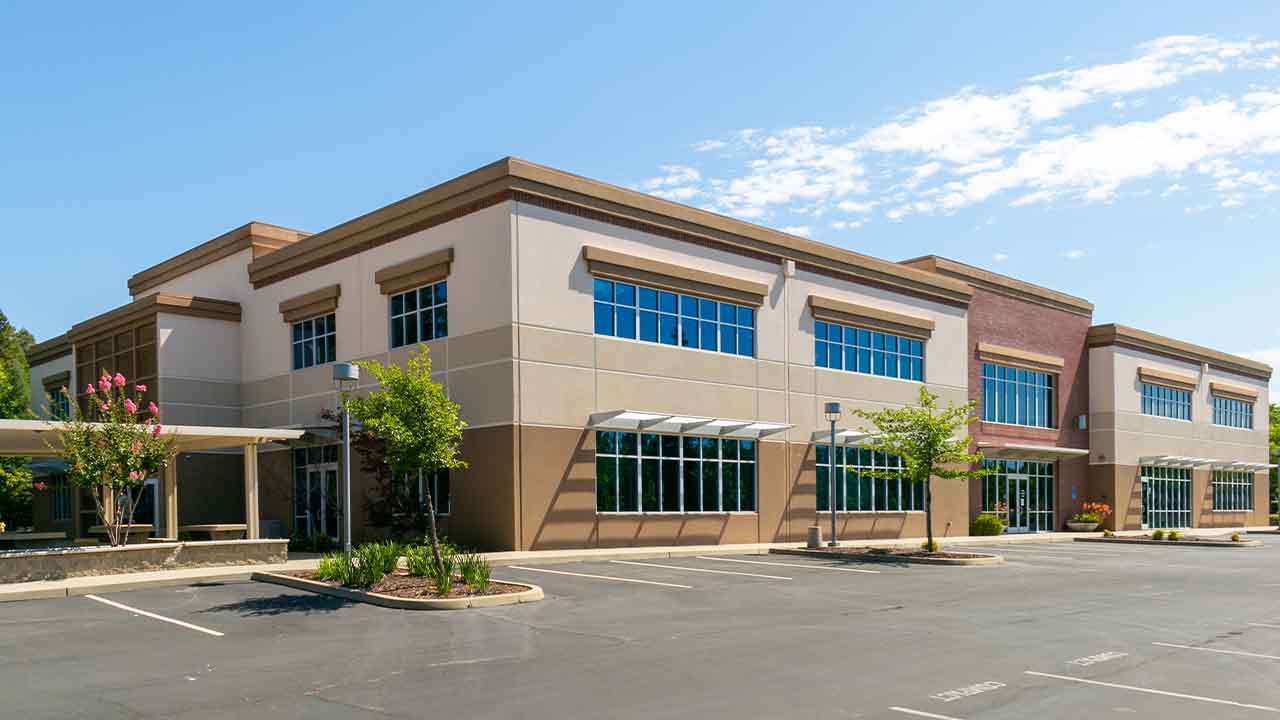
CPC Scientific Inc., a leading global peptide CRDMO (Contract Research, Development, and Manufacturing Organization) has invested in a new peptide API (Active Pharmaceutical Ingredient) manufacturing site, bringing many new jobs to Rocklin, California. The 41,000 sq ft facility located at 3880 Atherton Rd, Rocklin, CA 95765 will be utilized to manufacture clinical to commercial grade peptide products for increased manufacturing capacity and will diversify CPC Scientific’s supply chain.
CPC Scientific is entering an exciting period of growth and innovation for peptide and oligonucleotide therapeutic development and manufacturing, and we will continue to provide therapeutic APIs to pharmaceutical and biotech companies around the world. We are very pleased to partner with the City of Rocklin, California to bring manufacturing and Life-Science jobs to local American workers,” said Shawn Lee, PhD, CEO.