
Peptide 4 [Dabcyl-KTSAVLQSGFRKME-Edans], peptide 5 [SITSAVLQ-pNA], and peptide 6 [SITSAVLQ-pNP] were purchased from CPC Scientific (San Jose, CA) and had the following purities: >95%, >93%, and >90.1%, respectively.
Abstract
Severe acute respiratory syndrome (SARS) was a worldwide epidemic caused by a coronavirus that has a cysteine protease (3CLpro) essential to its life cycle. Steady-state and pre-steady-state kinetic methods were used with highly active 3CLpro to characterize the reaction mechanism. We show that 3CLpro has mechanistic features common and disparate to the archetypical proteases papain and chymotrypsin. The kinetic mechanism for 3CLpro-mediated ester hydrolysis, including the individual rate constants, is consistent with a simple double displacement mechanism. The pre-steady-state burst rate was independent of ester substrate concentration indicating a high commitment to catalysis. When homologous peptidic amide and ester substrates were compared, a series of interesting observations emerged. Despite a 2000-fold difference in nonenzymatic reactivity, highly related amide and ester substrates were found to have similar kinetic parameters in both the steady-state and pre-steady-state. Steady-state solvent isotope effect (SIE) studies showed an inverse SIE for the amide but not ester substrates. Evaluation of the SIE in the pre-steady-state revealed normal SIEs for both amide and ester burst rates. Proton inventory (PI) studies on amide peptide hydrolysis were consistent with two proton-transfer reactions in the transition state while the ester data was consistent with a single proton-transfer reaction. Finally, the pH-inactivation profile of 3CLpro with iodoacetamide is indicative of an ion-pair mechanism. Taken together, the data are consistent with a 3CLpro mechanism that utilizes an “electrostatic” trigger to initiate the acylation reaction, a cysteine−histidine catalytic dyad ion pair, an enzyme-facilitated release of P1, and a general base-catalyzed deacylation reaction.
SOCIAL MEDIA
Connect with us and stay updated by following our social media channels.
Latest Briefings from our Knowledge Center
Press Releases, Industry News, Articles, and Technical Content

Lin, Wilson, Eduardo Aluicio-Sarduy, Hailey A. Houson, Todd E. Barnhart, Volkan Tekin, Justin J. Jeffery, Ashley M. Weichmann, Kendall E. Barrett, Suzanne E. Lapi, and Jonathan W. Engle. Nuclear Medicine and Biology) 118 (2023): 108329.
Lyophilized NOTA-NT-20.3 (Ac-Lys(NOTA)-Pro-NMeArg-Arg-Pro-Tyr-Tle-Leu, 1383.6 g/mol, “NT”, CPC Scientific) was diluted to 1 mg/mL in ultrapure water (Milli-Q, >18.2 MΩ-cm) and used without further purification.
Development of a selective, sensitive and robust oxyntomodulin dual monoclonal antibody immunoassay.
Umberger, T.S., Ming, W., Cox, J.M., Konrad, R.J. and Siegel, R.W. Bioanalysis 14, no. 18 (2022): 1229-1239.
- Lilly Research Laboratories, Eli Lilly & Company, Indianapolis, IN46285, USA
Human K2 EDTA and P800 plasma (500 μl) was spiked with proglucagon 33–61, 35–61 and 36–61 stable-isotope-labeled internal standard peptides (CPC Scientific, custom order) and diluted with I buffer (25 mmol/l Tris-HCl, 25 mmol/l HEPES, 300 mmol/l NaCl, 0.1% (v/v) octyl β-D-glucopyranoside, pH 7.5).
Line, J.E.; Seal, B.S.; Garrish, J.K. Appl. Microbiol. 2022, 2, 688–700.
Peptides were synthesized using standard solid-phase(Fmoc) chemistry with a peptide synthesizer (CPC Scientific Inc., Sunnyvale, CA 94089,USA, C12K-2β12 [..]
Kirk, N.S., Chen, Q., Wu, Y.G., Asante, A.L., Hu, H., Espinosa, J.F., Martínez-Olid, F., Margetts, M.B., Mohammed, F.A., Kiselyov, V.V. and Barrett, D.G. Nature Communications 13, no. 1 (2022): 5695.
- Eli Lilly and Company, Lilly Corporate Center, Indianapolis, IN 46285, USA.
Peptides were synthesized under contract by CPC Scientific, except for the N-terminally acetylated version of IM172N22 and the Glu3Arg, Glu3Ala, Glu4Arg, Glu4Ala, Glu5Ala, Glu5Arg, Trp6Ala, Gln8Ala, Ile9Ala, Glu10Ala, Glu10Arg and Tyr14Ala mutants of IM172N22
Coskun, T., Urva, S., Roell, W.C., Qu, H., Loghin, C., Moyers, J.S., O’Farrell, L.S., Briere, D.A., Sloop, K.W., Thomas, M.K. and Pirro, V. Cell Metabolism 34, no. 9 (2022): 1234-1247.
- Eli Lilly and Company, Lilly Corporate Center, Indianapolis, IN 46285, USA
Homologous and heterologous competition experiments were performed with non-radioactive peptide analogues[127I]-Tyr1-GIP(1-42) and [127]-Tyr10-GIP(1-42) to ensure quantification of the high-affinity binding site of the GIPR. Peptide analogues were generated using synthetic [127I]-Tyr amino acid building blocks (CPC Scientific).
Cecil, D.L., Curtis, B., Gad, E., Gormley, M., Timms, A.E., Corulli, L., Bos, R., Damle, R.N., Sepulveda, M.A. and Disis, M.L. Scientific Reports 12, no. 1 (2022): 13618.
- Cancer Vaccine Institute, University of Washington, 850 Republican Street, Brotman Bld., 2nd Floor, Box 358050, Seattle, WA 98195-8050, USA.
- Janssen Research and Development LLC, Spring House, PA, USA.
- Janssen Vaccines and Prevention, Leiden, The Netherlands.
The peptides were constructed and purified by high-performance liquid chromatography (> 90% pure; CPC Scientific).
Zonari, A., Brace, L.E., Alencar-Silva, T., Porto, W.F., Foyt, D., Guiang, M., Cruz, E.A.O., Franco, O.L., Oliveira, C.R., Boroni, M. and Carvalho, J.L. Toxicology Reports 9 (2022): 1632-1638.
Peptide 14 (ETAKHWLKGI) (Sup. Fig. 1) was purchased from CPC Scientific Inc. (USA), which synthesized the peptide by solid phase (Fmoc) on a Rink amide resin, with > 95% purity, in the form of acetate salt.
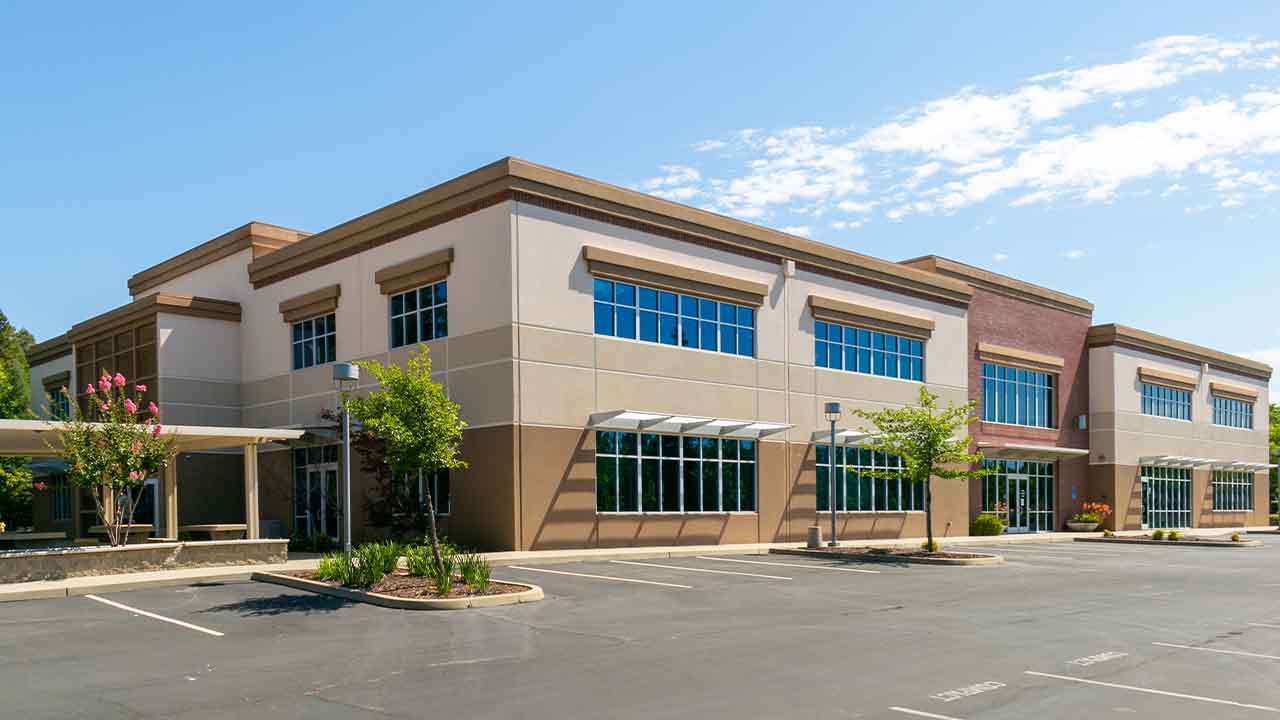
CPC Scientific Inc., a leading global peptide CRDMO (Contract Research, Development, and Manufacturing Organization) has invested in a new peptide API (Active Pharmaceutical Ingredient) manufacturing site, bringing many new jobs to Rocklin, California. The 41,000 sq ft facility located at 3880 Atherton Rd, Rocklin, CA 95765 will be utilized to manufacture clinical to commercial grade peptide products for increased manufacturing capacity and will diversify CPC Scientific’s supply chain.
CPC Scientific is entering an exciting period of growth and innovation for peptide and oligonucleotide therapeutic development and manufacturing, and we will continue to provide therapeutic APIs to pharmaceutical and biotech companies around the world. We are very pleased to partner with the City of Rocklin, California to bring manufacturing and Life-Science jobs to local American workers,” said Shawn Lee, PhD, CEO.